

Michigan's New Intoxilyzer 9000: Breath Testing in Michigan DUI Cases
Michigan has moved from the Datamaster breath testing platform to the Intoxilyzer 9000. I often hear people describe the Intoxilyzer 9000 as Michigan’s “new” breath machine, but that is only partly true. The instrument is new to Michigan practice, not new to breath alcohol testing generally. That distinction matters because lawyers, judges, and defendants should not assume that a newer machine eliminates the long-standing scientific and legal concerns that have always existed in breath testing. The machine has changed, but breath testing remains an indirect method of estimating bodily alcohol content.
The advantages of breath testing are easy to understand. Breath testing is fast, relatively inexpensive, and physically nonintrusive. A breath test does not require a needle, a nurse, a blood draw, or laboratory analysis. There is virtually no risk of infection or physical harm from providing a breath sample. Police departments can test a person quickly at the station, print a result, and move the case forward. From a law enforcement perspective, breath testing is efficient. From a defense perspective, efficiency is not the same thing as reliability.
The central disadvantage is that breath testing does not directly measure alcohol in the blood. It estimates bodily alcohol content from alcohol detected in exhaled breath. As the body absorbs and eliminates alcohol, a small amount of alcohol passes from the blood into the breath. A breath machine measures alcohol in the breath sample and then applies assumptions to estimate the person’s blood alcohol concentration. Those assumptions may be adequate in many cases, but they are not perfect in every case. The legal problem is that the breath result is often treated as though it were a direct measurement of blood alcohol when, scientifically, it is an indirect estimate.
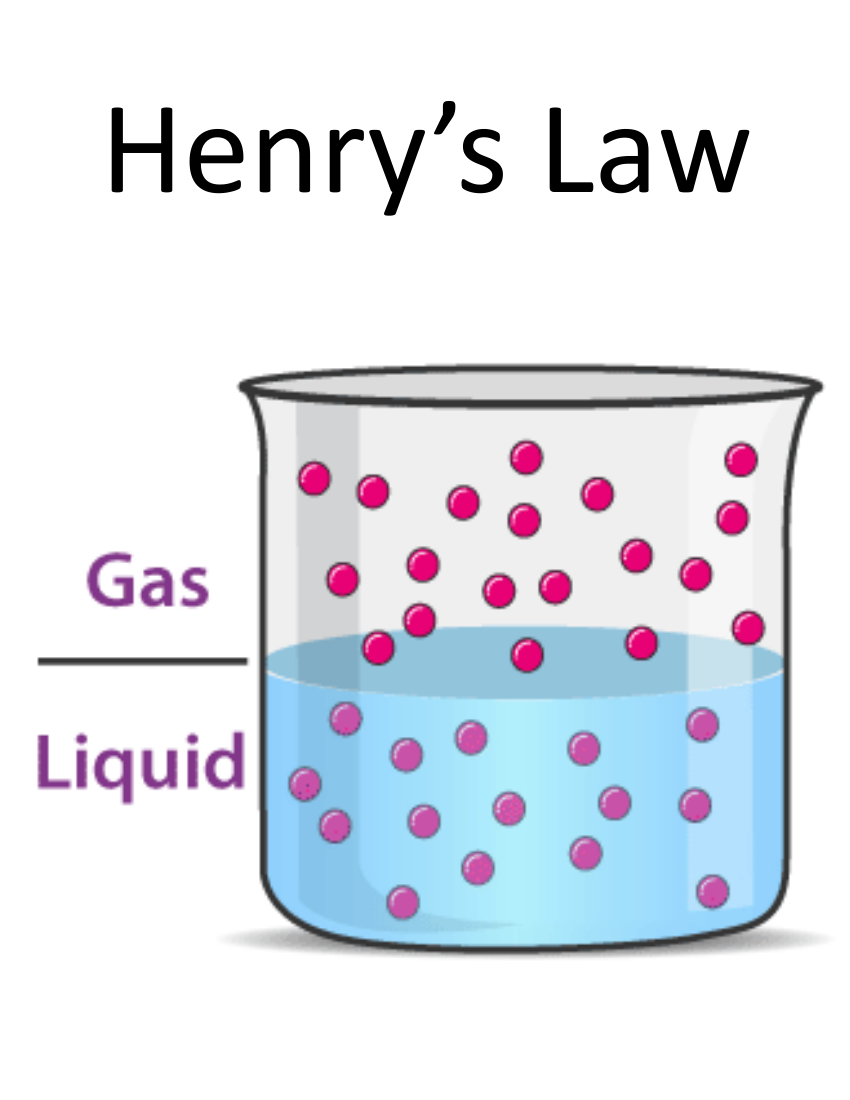
The scientific premise behind breath testing is often discussed through Henry’s Law. In simplified terms, when alcohol is dissolved in blood, a portion of that alcohol can move into the gas phase and be measured in breath. Breath testing assumes a relationship between the alcohol in the blood and the alcohol in the breath. The difficulty is that human beings are not laboratory glassware. Body temperature, breathing pattern, lung physiology, alcohol absorption, medical conditions, mouth alcohol, and other variables can affect the sample. A breath machine can be precise in its internal measurement while still producing a result that does not accurately reflect the person’s true bodily alcohol level.
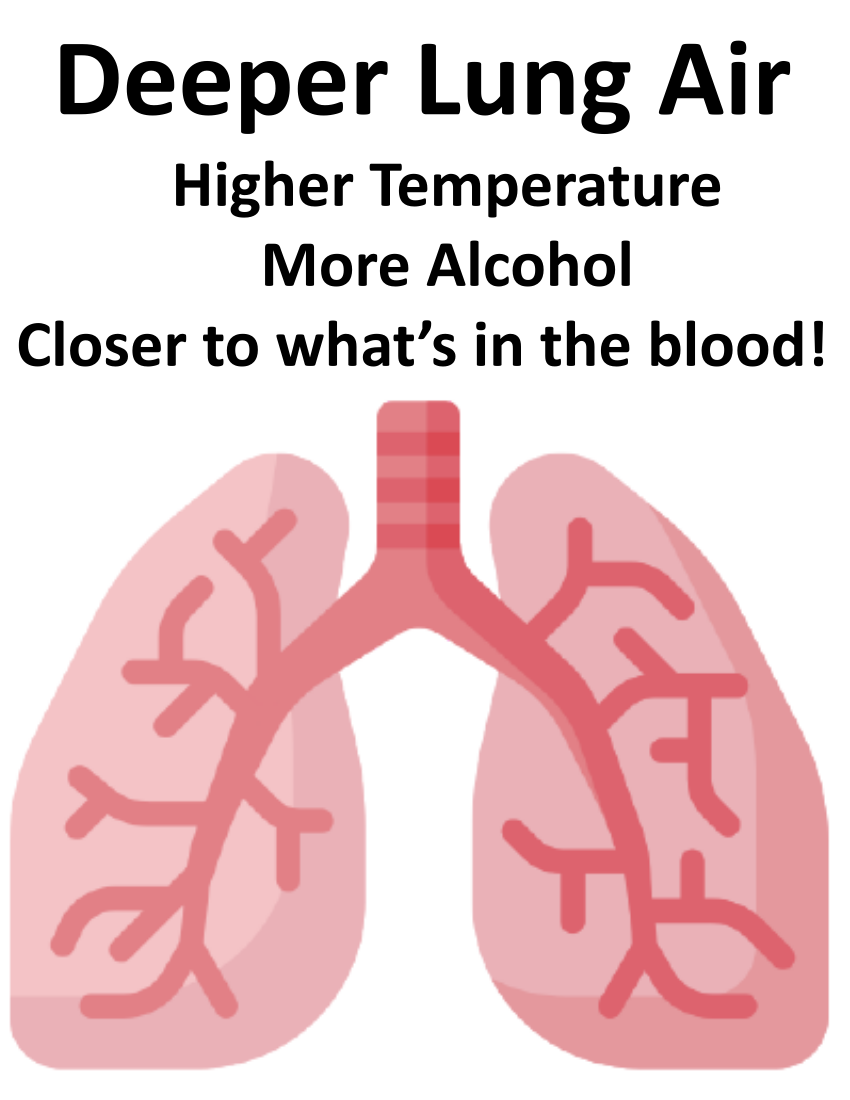
Breath samples are especially sensitive to the portion of breath being tested. Deeper lung air is warmer and generally contains more alcohol than earlier breath. That is one reason a longer breath sample may produce a higher reading than a shorter one. It is also why the breath profile matters. A proper breath sample should reflect a coherent alcohol curve, not merely a numerical result. If the subject stops and starts, struggles to provide a continuous sample, has residual mouth alcohol, or produces an abnormal breath profile, the number printed by the machine may require closer scrutiny.
The Intoxilyzer 9000 produces breath profile graphs. That is an important development because a graph can provide more information than a bare numerical result. According to the material from the Intoxilyzer 9000 operator training, the graph uses two lines. The thinner or lighter line reflects breath flow. The thicker or darker line reflects alcohol concentration in the breath sample. Typically, the flow begins strong and declines as the person continues to blow. The alcohol concentration should rise and then plateau toward the end of the sample. In theory, the graph helps the operator and the reviewing lawyer evaluate whether the sample looks like a proper breath sample.
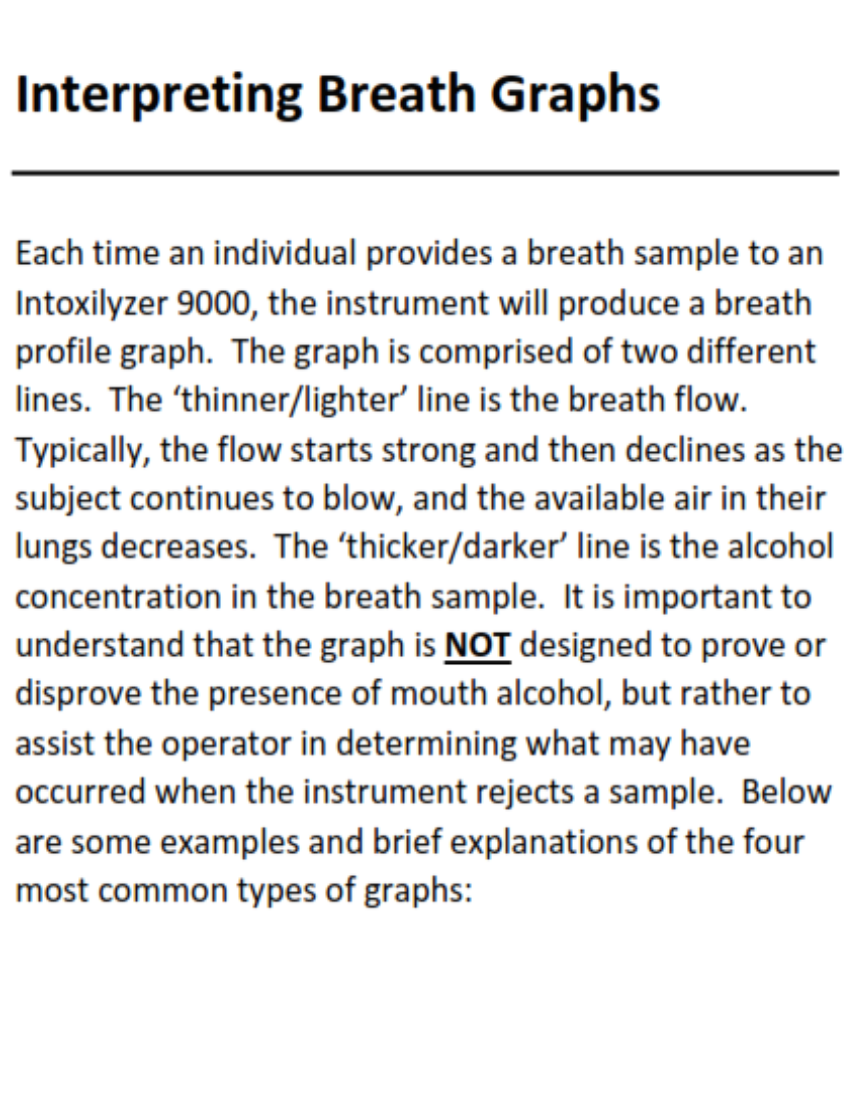
That does not mean the graph proves the result is accurate. The Michigan State Police training material cautions that the graph is not designed to prove or disprove the presence of mouth alcohol. It is instead presented as a tool to help the operator determine what occurred when the instrument rejects a sample. That limitation is critical. If the graph is not designed to prove or disprove mouth alcohol, then the prosecutor should not be permitted to use a graph simplistically as proof that mouth alcohol was absent. Conversely, the defense should examine whether the graph, the testing sequence, the officer’s observations, and the surrounding facts show a sample quality problem.
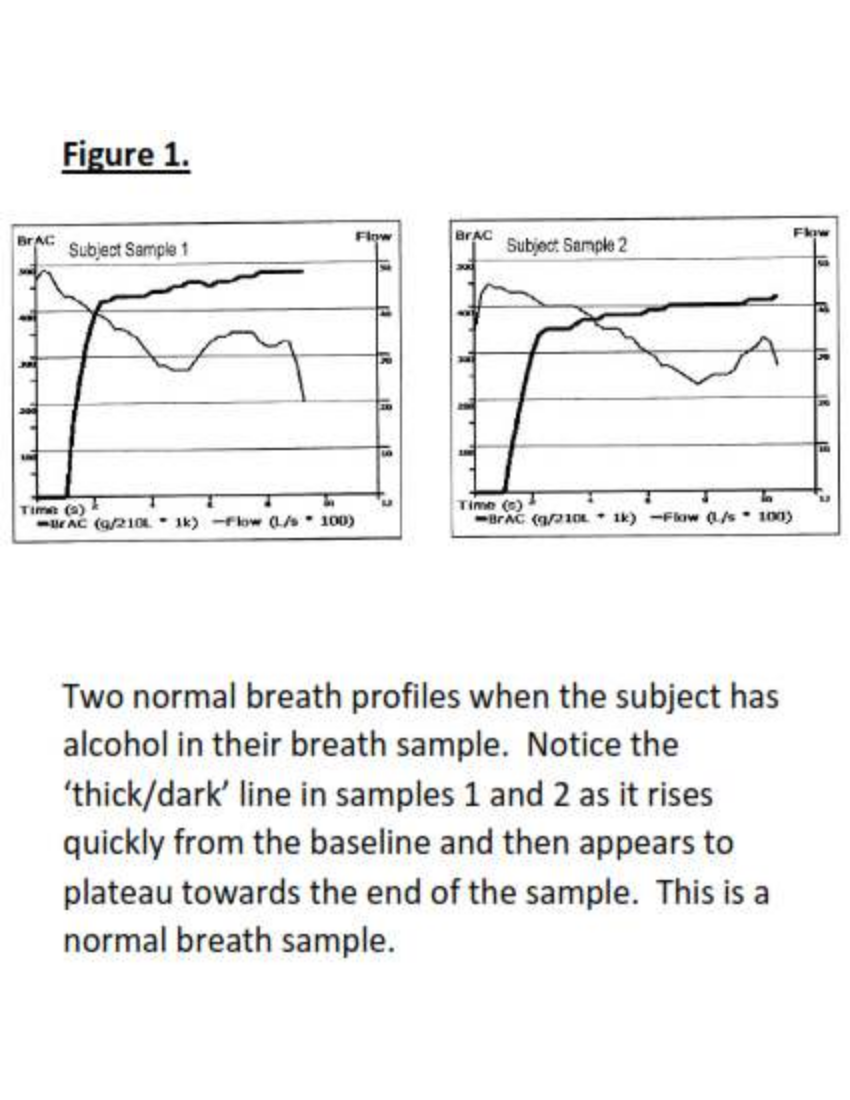
A normal breath profile is expected to show a rapid rise in the alcohol concentration line followed by a plateau. That pattern is important because breath testing is supposed to analyze deep lung breath rather than alcohol from the mouth, throat, or upper digestive tract. When the alcohol curve does not behave as expected, the defense should not simply accept the printed number. The sample may still be accepted by the machine, but the question in court is not merely whether the machine printed a result. The question is whether the evidence is reliable enough to prove the charge beyond a reasonable doubt.
I addressed these issues at a drunk driving defense seminar in 2023 before the Michigan Association of OWI Attorneys, MIOWIA, and later did a recap on youtube that exposes problems with invalid samples, unacceptable samples, deficient samples, breath graphs, and mouth alcohol. Those issues are not technical distractions. They go to the heart of breath test reliability. The Intoxilyzer 9000 operator guide discusses mouth alcohol repeatedly, while terms such as invalid sample and slope detection receive little or no direct treatment in the short operator guide. That is significant because mouth alcohol is one of the best-known causes of falsely elevated breath alcohol results.
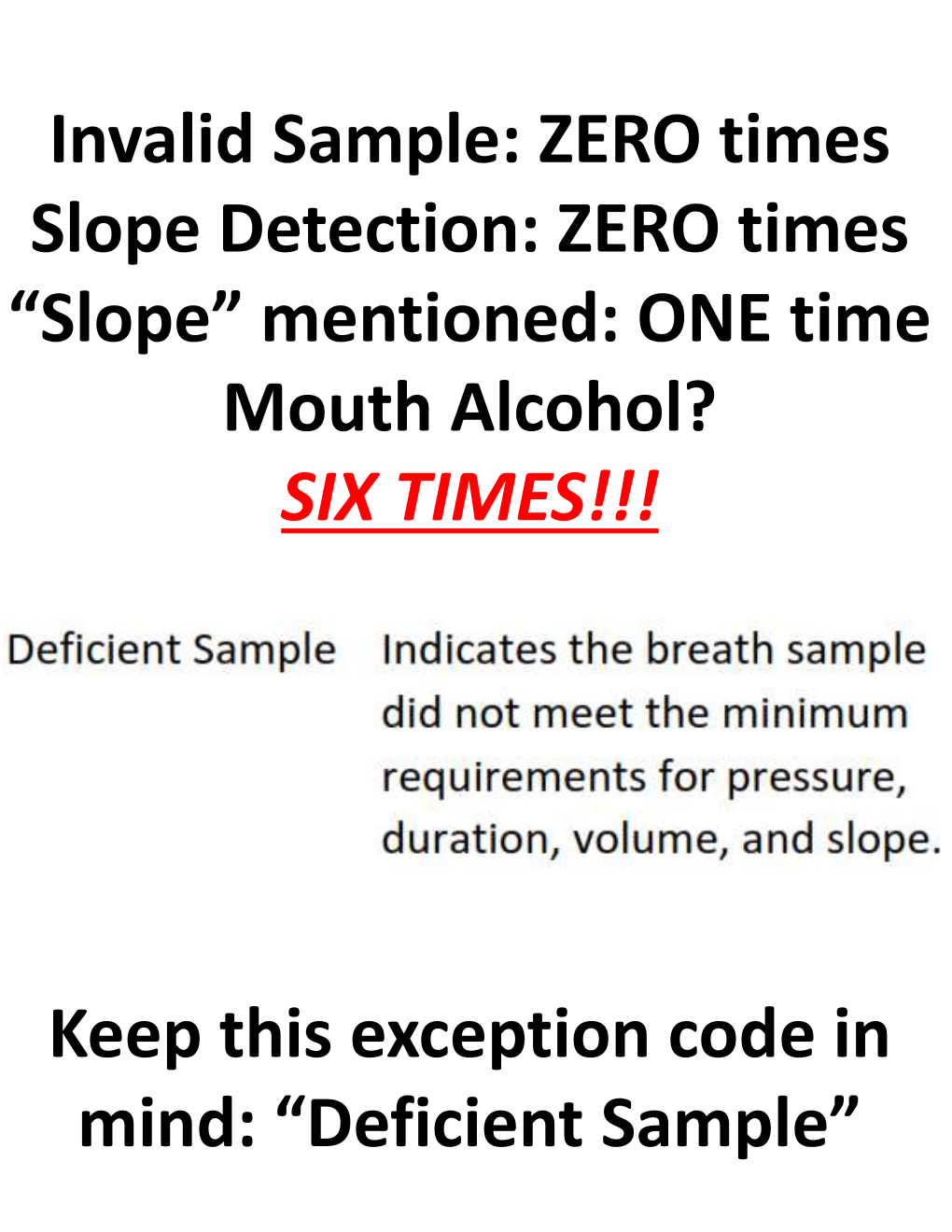
The Intoxilyzer 9000 uses exception codes. One important code is “Deficient Sample,” which indicates that the breath sample did not meet minimum requirements for pressure, duration, volume, and slope. The word “slope” is important. In breath alcohol testing, slope detection refers to the instrument’s attempt to identify an abnormal alcohol curve, including a curve that may suggest mouth alcohol contamination. If the alcohol concentration rises and then falls in a way that does not fit the expected breath profile, the instrument may reject the sample. The legal concern is whether the instrument reliably rejects contaminated samples or sometimes accepts them and prints a numerical result.
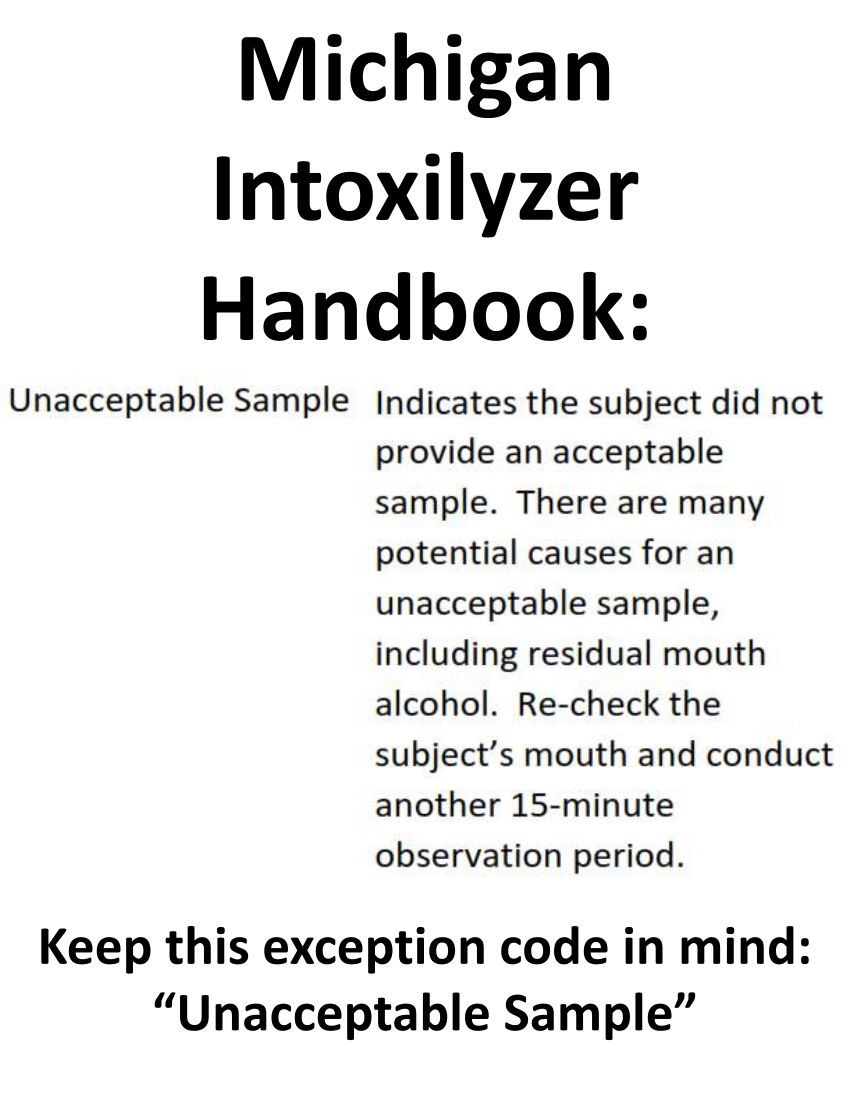
Another important code is “Unacceptable Sample.” The Michigan Intoxilyzer handbook material describes an unacceptable sample as one where the subject did not provide an acceptable sample and notes that there are many potential causes, including residual mouth alcohol. The recommended response includes checking the subject’s mouth and conducting another 15-minute observation period. That language matters in litigation. If the machine reports an unacceptable sample, the event should not be dismissed as meaningless. It may indicate a problem with the breath sample, the subject’s ability to provide a proper sample, or the presence of residual mouth alcohol.
Mouth alcohol is a serious breath testing issue because breath machines detect microscopic amounts of alcohol. A person does not need to swallow alcohol immediately before testing to create a problem. Mouth alcohol may be associated with recent drinking, regurgitation, belching, reflux, dentures, retainers, tongue jewelry, chewing tobacco, gum, or other conditions that trap or introduce alcohol into the mouth or upper airway. The breath machine is intended to measure alcohol from deep lung air. If alcohol from another source enters the breath sample, the reported result can be falsely elevated.

This is why the observation period matters. Before a breath test, the officer is expected to observe the subject to reduce the risk of mouth alcohol contamination. In real cases, the observation period may be imperfect. Officers may complete paperwork, operate equipment, talk to other officers, search property, watch a video screen, or otherwise fail to continuously observe the person in a meaningful way. If the person burps, regurgitates, places something in the mouth, or experiences reflux during that period, the breath result may require challenge.
Gastroesophageal reflux disease, commonly known as GERD, can be especially important. GERD can permit stomach contents or vapors to move upward into the esophagus and mouth. If alcohol is present, even in small amounts, it may contaminate a breath sample. The issue is not whether every person with GERD has a valid defense. The issue is whether the person’s medical history, symptoms, timing, breath profile, observation period, and test results support a reasonable question about sample integrity. When those facts are present, GERD should be investigated carefully.
Temperature is another variable. Breath alcohol instruments assume a relationship between breath temperature and alcohol concentration. Warmer breath can carry more alcohol. Police officers see a related principle when a simulator solution is heated too much and the reported value rises even though the alcohol concentration in the solution has not changed. In a human subject, fever or elevated breath temperature may affect the result. The defense should be cautious about overstating this issue, but it remains part of the broader scientific problem. The machine reports a number based on assumptions, and those assumptions may not fit every individual.
Industrial chemicals and endogenous substances may also matter in some cases. Breath testing instruments are designed to detect alcohol, but infrared instruments may respond to compounds with overlapping absorption characteristics. Acetone, isopropanol, toluene, and other volatile organic compounds may become relevant depending on the person’s medical condition or occupational exposure. Diabetics may generate acetone and isopropanol naturally, particularly under certain metabolic conditions. People who work around paint, solvents, fuels, adhesives, or industrial chemicals may have exposure histories that deserve investigation. These are not routine defenses in every case, but they should not be ignored when the facts support them.
The Intoxilyzer 9000 also raises questions about transparency. A defense lawyer can cross-examine an officer about what the officer did, what the machine reported, and what the operator guide says. But the deeper scientific question is how the instrument decides whether a breath sample is acceptable. If the algorithm used to evaluate slope or sample adequacy is not fully disclosed or not well understood by the operator, then the defense may have limited ability to test the reliability of the conclusion. In a criminal case, that is not a small concern. The prosecutor must prove guilt beyond a reasonable doubt, and scientific evidence should be open to meaningful scrutiny.
Police and prosecutors often approach breath-testing evidence as though the machine can simply be trusted. I do not share that assumption. My criticism is appropriate as a matter of forensic science and trial practice. A breath machine is not a witness with judgment, and it is not a substitute for proof. John Fusco, who was a good friend and the former president of the company that produced Michigan's old breath machine, the Datamaster, agreed that breath machines should not be de facto arbiters of guilt. In a New York Times article, "These Machines Can Put You in Jail. Don’t Trust Them.", Fusco stated, “The tests were never meant to be used that way.” The machine is an instrument. It must be maintained properly, operated properly, and interpreted properly. Its output must be evaluated in light of the subject, the sample, the graph, the observation period, and the known limitations of breath alcohol testing.
The defense should therefore request and review more than the ticket. In an Intoxilyzer 9000 case, the relevant materials may include the breath ticket, breath profile graphs, operator records, instrument logs, maintenance records, simulator records, error or exception codes, video of the observation period, booking room video, patrol car video, body camera footage, and any documentation of the subject’s medical condition. If there is an invalid, deficient, unacceptable, or incomplete test, that event should be evaluated rather than ignored. If multiple breath attempts were made, the defense should ask why. Testing a person repeatedly until a usable number appears can create legal and scientific issues.
Michigan DUI cases often turn on a number. That is why breath testing evidence receives so much attention. But the number is only the end product of a process. In an Intoxilyzer 9000 case, I want to know whether the stop was lawful, whether the officer had reasonable suspicion to continue the investigation, whether there was probable cause to arrest, whether field sobriety testing was properly administered, whether the breath test candidate was properly screened, whether the observation period was meaningful, whether the breath graph was consistent with a valid sample, and whether the instrument produced any exception codes.
The transition to the Intoxilyzer 9000 should not make courts less careful. If anything, the addition of breath graphs and exception codes gives lawyers more information to examine. A graph may support the prosecution in some cases. It may support the defense in others. It may also show that the case is more complicated than the printed alcohol number suggests. In my practice, I do not treat the Intoxilyzer 9000 as a magic box. I treat it as a forensic instrument whose output must be tested against law, science, procedure, and the facts of the individual case.
A person charged with OWI in Michigan should not assume that a breath result makes the case unwinnable. Breath testing has advantages, but it also has limitations. Mouth alcohol, reflux, breath temperature, sample pattern, stop-and-start blowing, chemical interference, incomplete observation, deficient samples, and unacceptable samples may all matter. The proper question is not whether the machine printed a number. The proper question is whether that number is reliable enough, under the circumstances, to be used as proof beyond a reasonable doubt.
